
This mausoleum was built to commemorate Guilaume Henri, Comte de Vezlo (1894-1901), who died aged seven. Beside his plaque is another referring to his mother the Comtesse de Vezlo (d.1938).
Very little is known about the family but Sheen and Mortlake did have French families living locally. Guilaume is said in one source to be the Pretender to the French Throne.
The splendid building does suggest that there was wealth available.
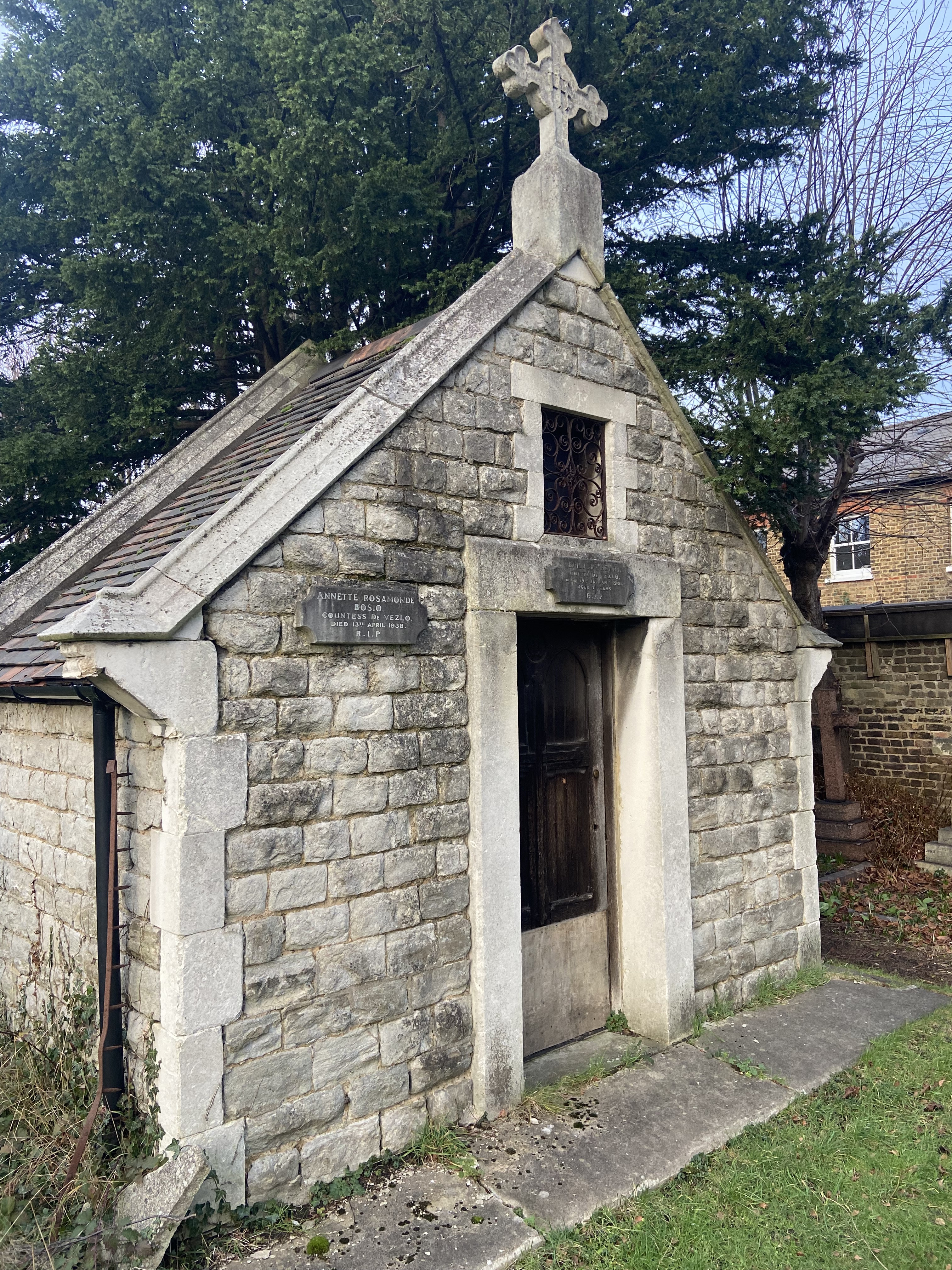
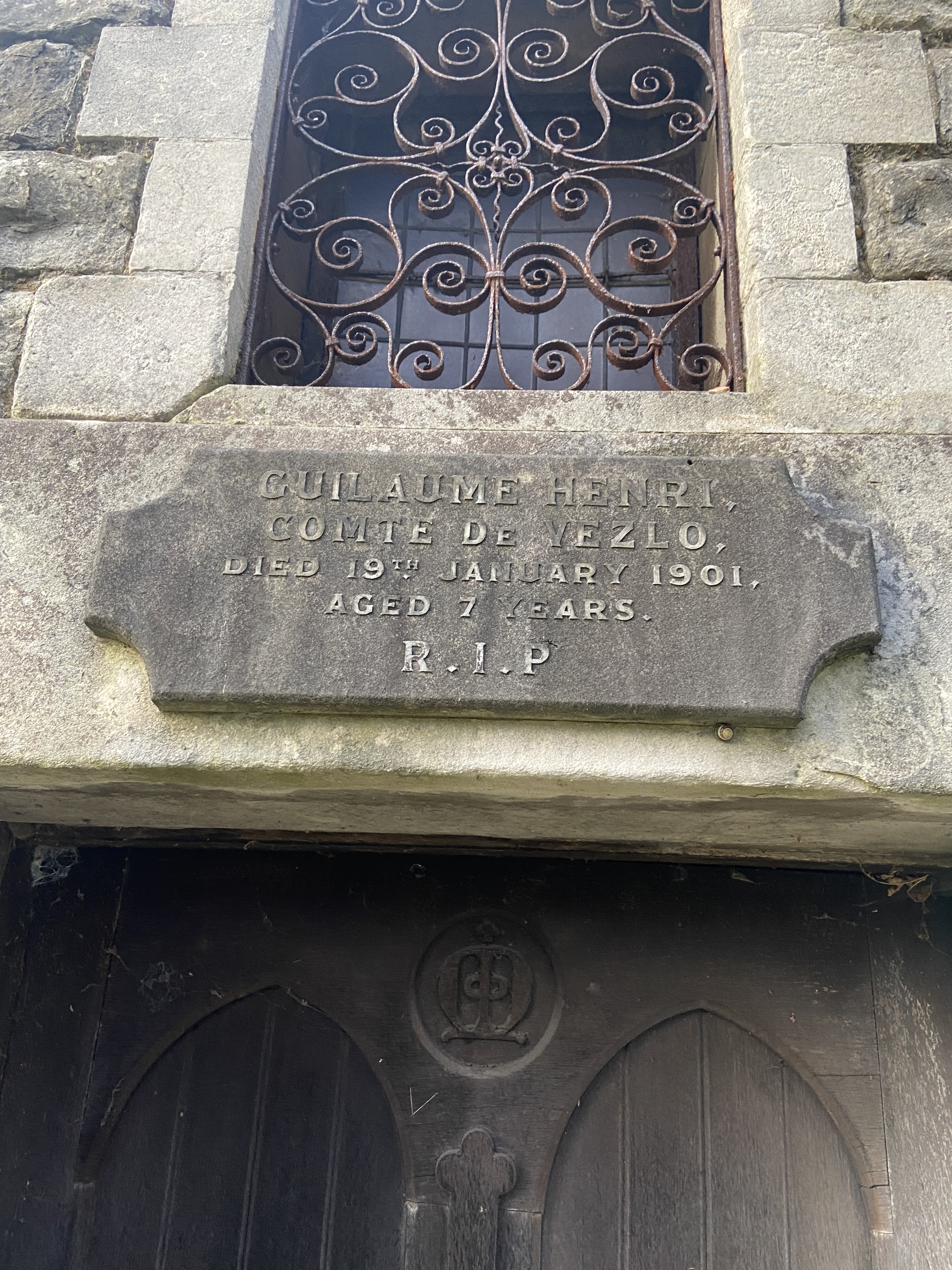
No birth certificate has been traced in England, so it can reasonably be assumed that Guilaume was born in France. During the 1890s there was an influx to London of French subjects.
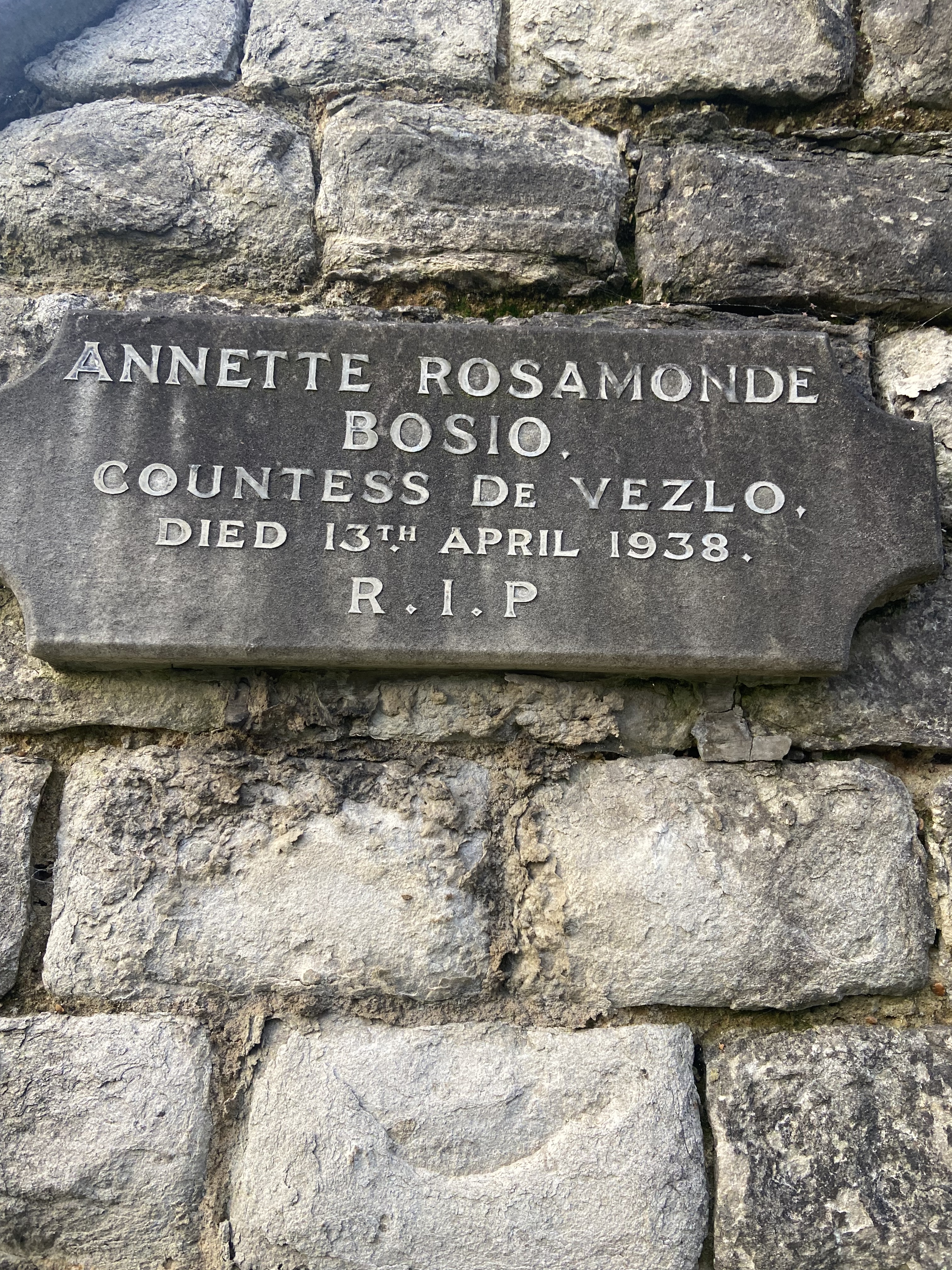
After Guilaume’s death his mother spent long days in the Mausoleum. The Custodian Fr Adrian speaks of letters among the historical church documents, written by the Comtesse to the then parish priest, requesting that he celebrate Mass in the Mausoleum. She was not best pleased that he declined!
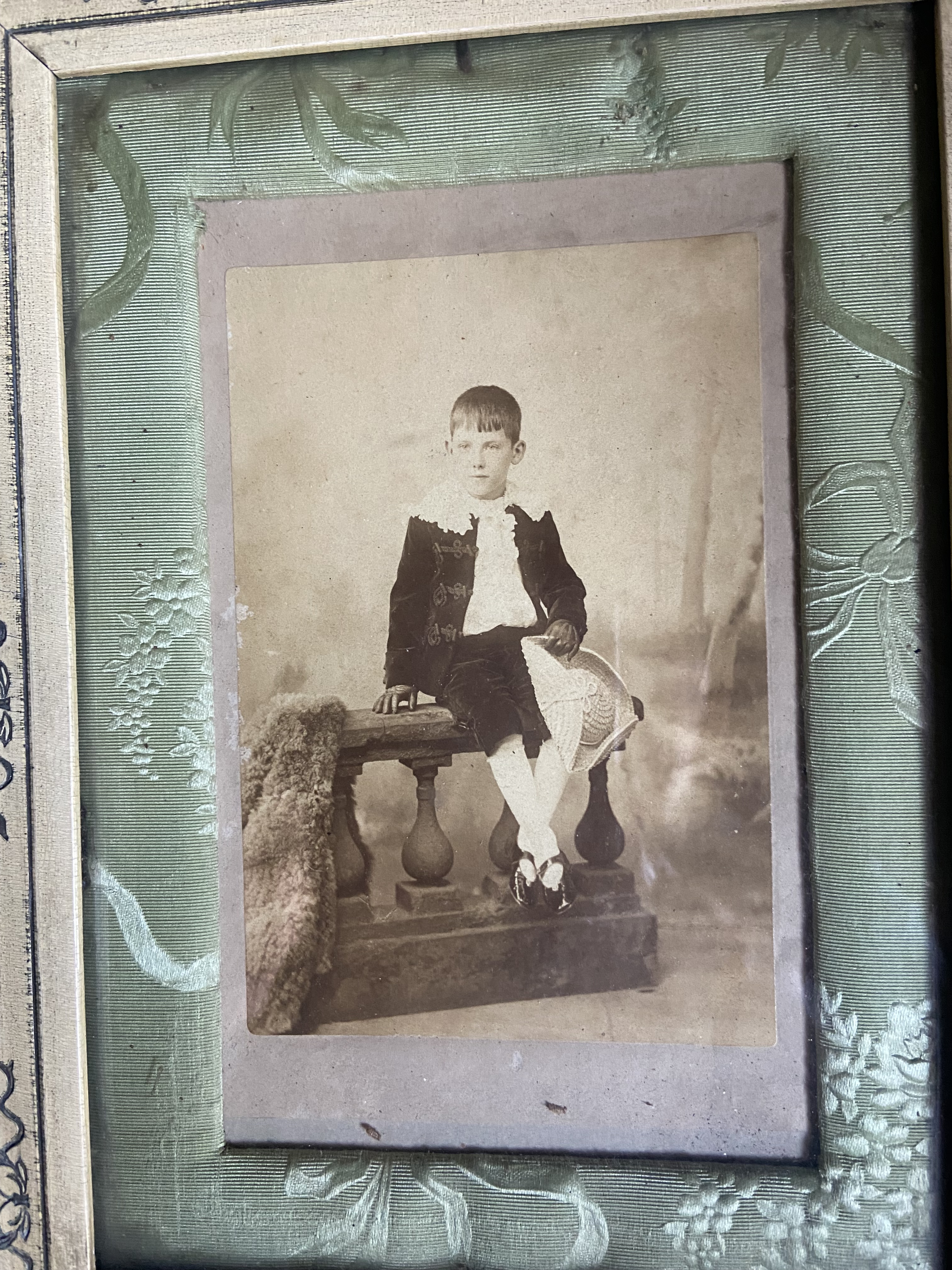
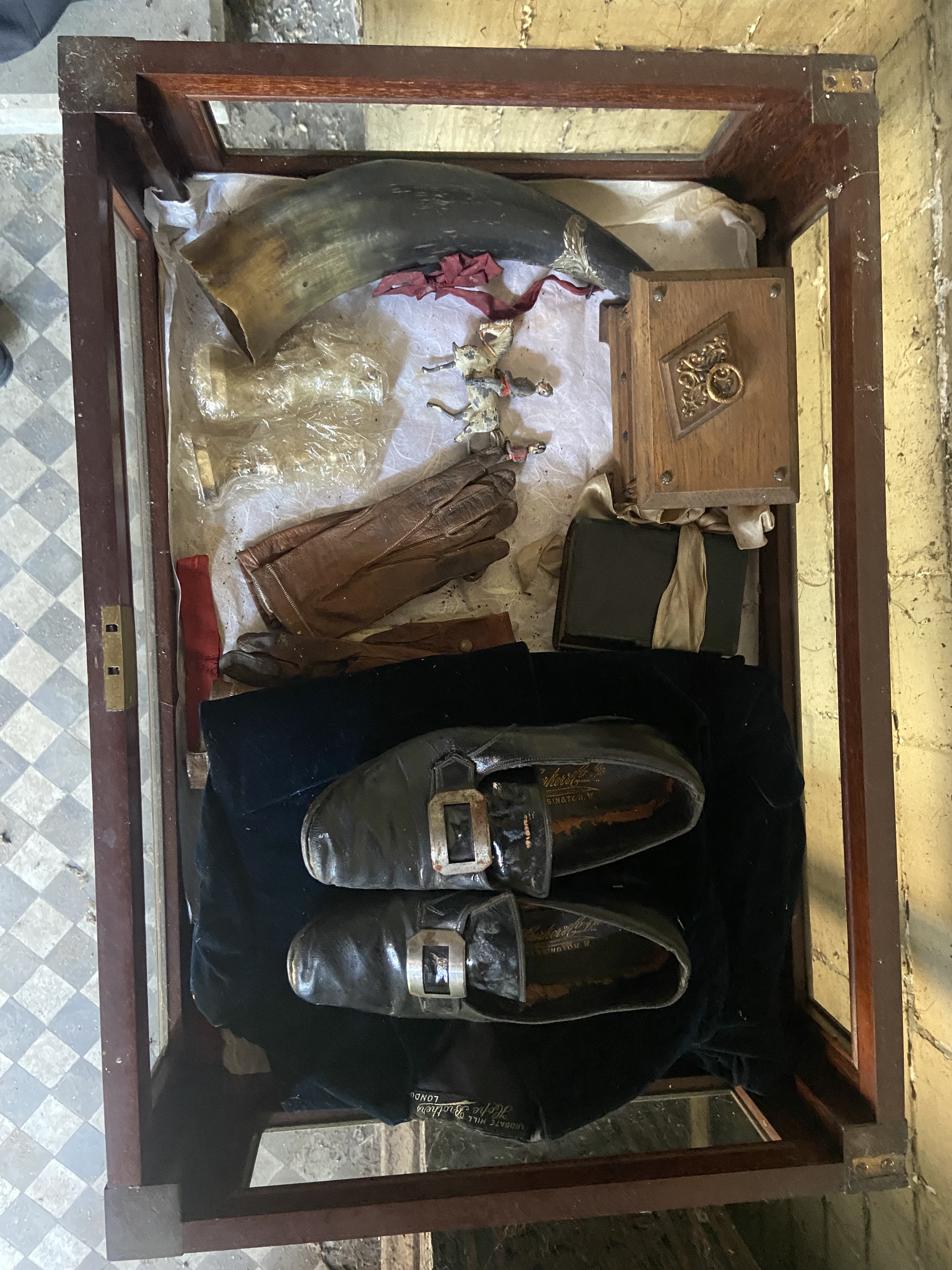
We were extremely fortunate to be granted access by the Custodian Fr Adrian. Nowhere on internet search engines will you find – until now – the photo of Guilaume below or his belongings lovingly maintained in the Mausoleum. The coffins remain in place.
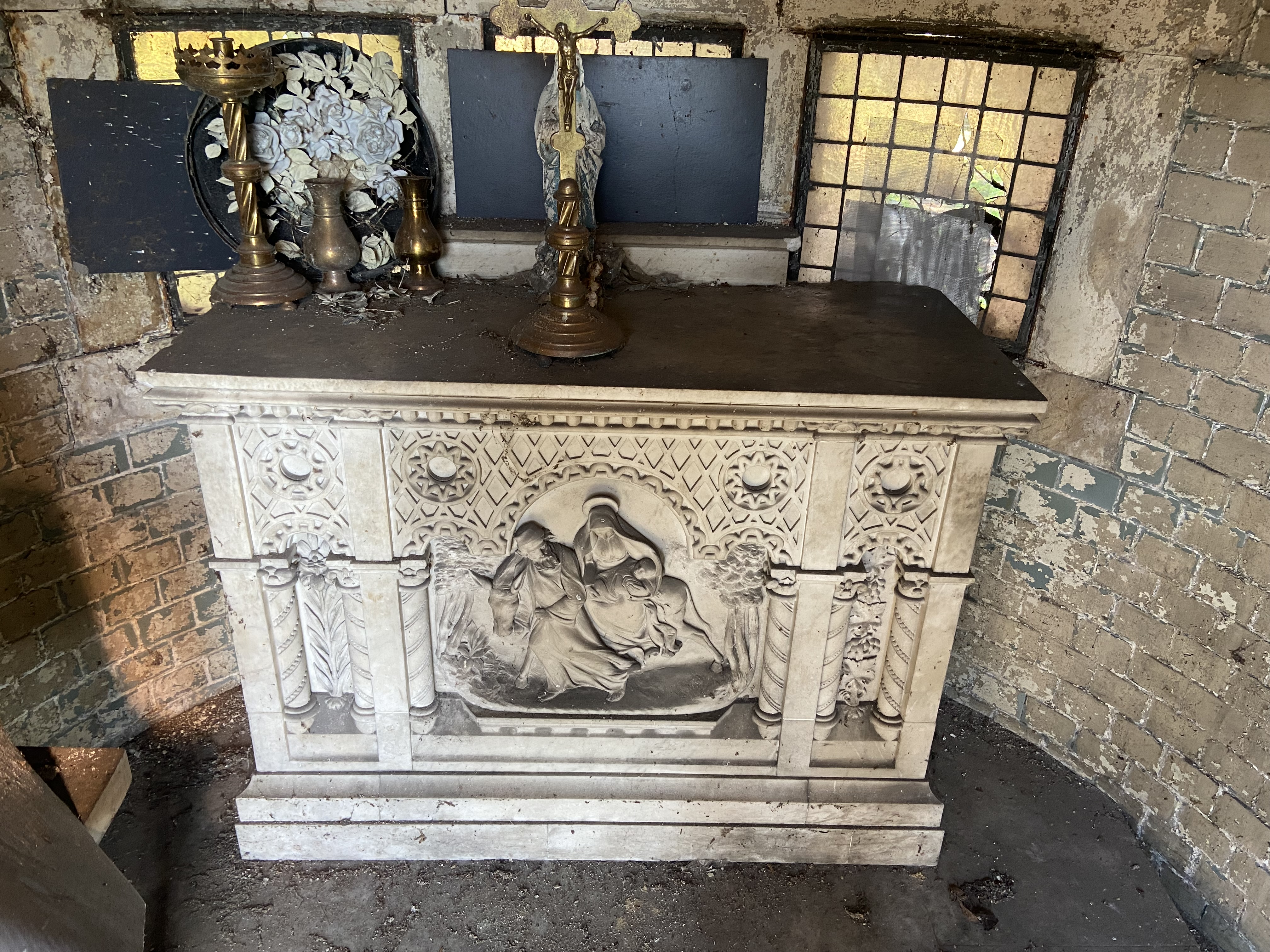
The beautiful altar depicts the flight of Mary and Joseph with the baby Jesus to Egypt. The then King Herod thought that the child would threaten his throne and sought to kill him. He initiated the Massacre of the Innocents in hopes of killing the child. Tradition has it that an angel appeared to Joseph in a dream and warned him to take Jesus and his mother into Egypt.
The structure needs full restoration. Another one for Habitats and Heritage?
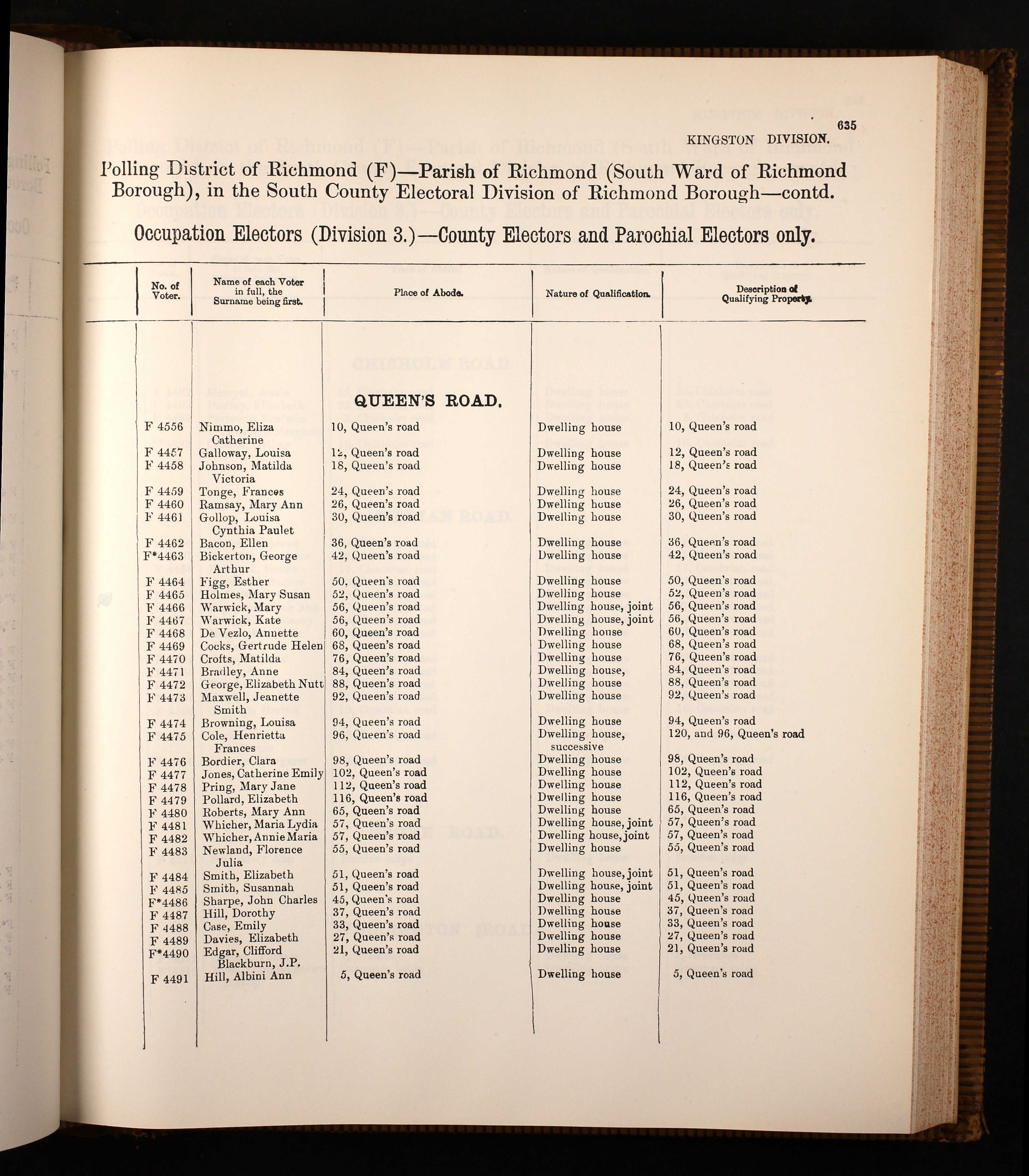

Note the residence of Annette De Vezlo, a French Subject aged 24, living on her own means at the Grand Hotel in Brighton at the time of the Census on 31 March 1901.
For over thirty years in the latter half of the nineteenth century, London was home to hundreds, and at times thousands, of French revolutionary, republican and socialist exiles. These refugees were drawn from across two generations and were associated with periods of intense political instability in France. During their time in London, they had a significant impact on the life of the city, transforming several of its neighbourhoods into essentially French enclaves, infused themselves into certain sectors of London’s economy, blended into particular social milieux, and greatly affected the shape and trajectory of political radicalism in the capital.
During the 1880s, little groups of exiled French ‘companions’ (the nickname adopted by the French anarchists) were formed in London. They became larger and far more active and influential in the first half of the 1890s, when the theory of ‘propaganda by the deed’ gained ground among anarchists. The concept of propaganda by the deed, developed from 1876–7 among the anarchists of the First International, justified acts of violence as a way of publicising anarchism and initiating the revolution. The main consequence of its propagation was a series of anarchist-inspired terrorist attacks which swept over the Western world throughout the 1890s and early 1900s, peaking in France between 1892 and 1894. The authorities of the Third Republic retaliated with a fierce repression, resulting in the arrest or silencing of most comrades. Hundreds of them were forced into exile,
And yet Annette De Vezlo was a Catholic…….
Discover more from EastSheenMatters
Subscribe to get the latest posts sent to your email.


