Who killed Andrea Dawson, ex-model and wife of wealthy local businessman?
By Harry Armfield
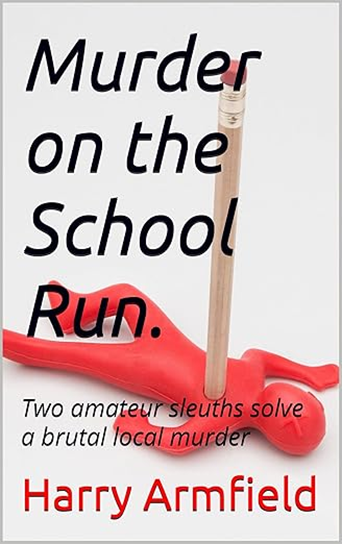
Roll over Richard Osman, local author Harry Armfield has written an engaging and exciting murder mystery set in East Sheen. Part domestic comedy, part thriller, ‘Murder on the School Run’ is a sparkling new addition to the cosy crime genre.
Andrea Dawson, the ex-model wife of a wealthy businessman, has been stabbed to death in her home on ‘Millionaire Mile’ (i.e. Fife Road) in East Sheen, Southwest London. The murder is investigated by Nick, an out of work househusband and his feisty, rich female neighbour, Angela. Together they uncover a web of sexual blackmail, art fraud and financial corruption at the highest level. As they probe deeper into the mystery, it seems they can trust no one, and soon the killer is looking to put a permanent end to the pair’s amateur sleuthing.
See also his rock and roll and records memoir. ‘A Life in Records’ a celebratory memoir of the lasting appeal and sheer wonderment that records have held for the author since the age of 8.
Both books available on Amazon as paperback or Kindle
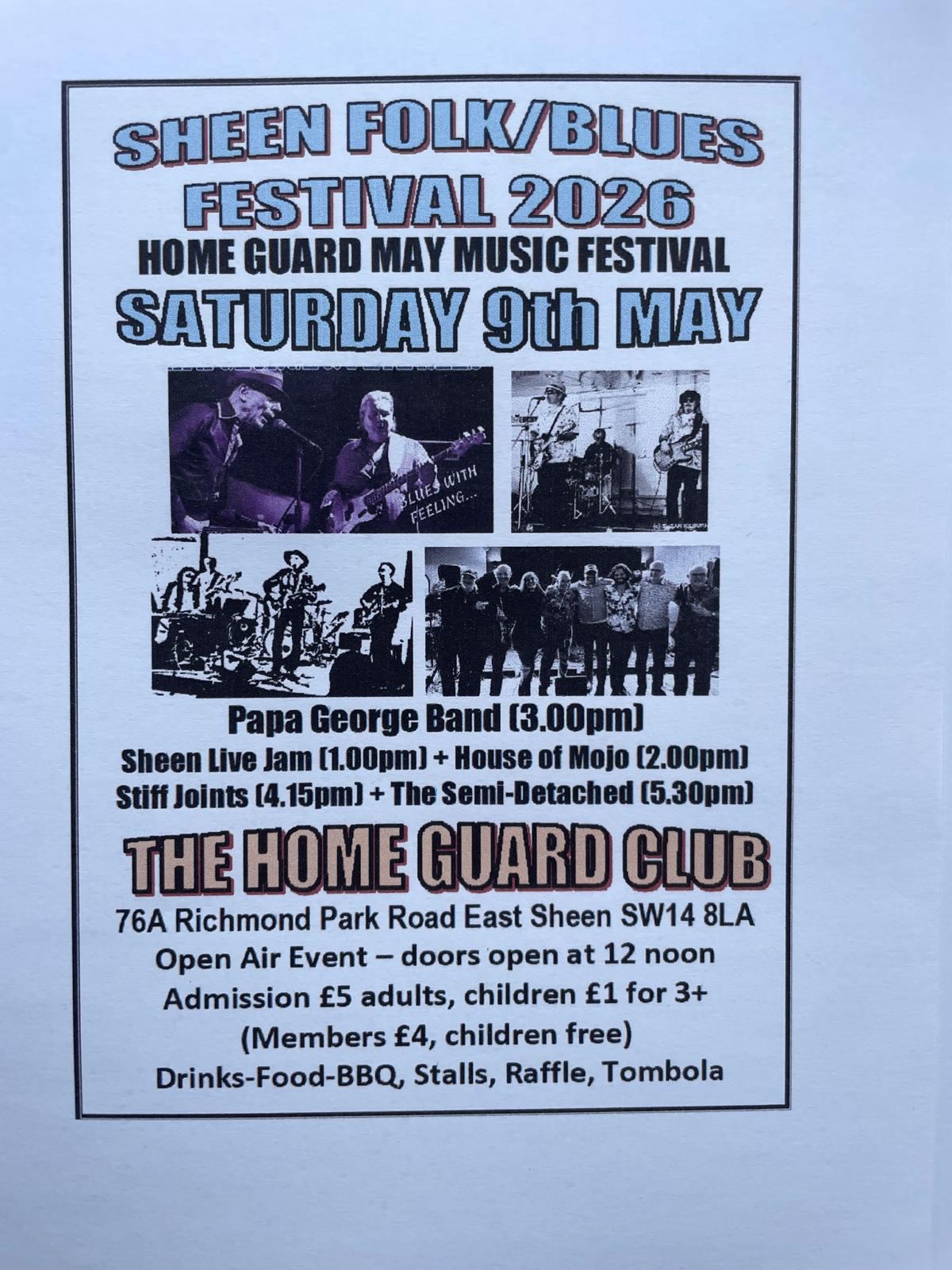
Papa George — local hero and internationally recognized blues master renowned for his high-powered gritty vocals and dazzling guitar skills in both electric and acoustic formats. Inducted into the USA’s Blues Hall of Fame and recipient of several UK blues awards, He is joined on stage at The Home Guard by two highly acclaimed musicians in their own right — Pete Rees on bass guitar (who also served with Gary Moore) and Darby Todd on drums.
The Semi Detached
The Semi Detached are a soulful folk-rock outfit from south-west London. They deliver a crowd-pleasing up-beat set of originals and off-the-radar covers. The original trio of Jim Guynan (vocals/guitar), Neil Jackson (bass guitar/vocals), and Neil Pearce on drums are now joined regularly by Eamon Henry (vocals/guitar/mandolin) and Nigel Fox (keyboards).
Stiff Joints
Stiff Joints is a local institution. The band has been performing for over 30 years with regular appearances in the pubs and clubs of southwest London plus appearances further afield. Led by founding members Brian Coope (vocals/guitar) and Jon Riley (lead guitar, mandolin, and vocals) and long-serving maestros Mark Stevens (keyboards, accordion, and vocals), Alan Brock (bass and vocals) Dave Maud (on drums). Classy enough to play specialist music venues but fun-loving enough to keep both young and old dancing all night on goodtime/party occasions. The repertoire is built on rock’n’roll but with elements of blues, folk, country, cajun, soul, and reggae.
House of Mojo
Borne out of the vibrant music scene at the Home Guard’s monthly Sheen Live Jam the band brings a rich mix of blues, folk, country, and rock. Staying true to their roots House of Mojo loves revisiting some of the standout moments from Sheen Live Jam sessions, blending fan-favourite covers with original tracks. Band line-up: Patrick Boundy (vocals/guitar), Faye-Lara Francis (vocals), Adam Blackburn (keyboards), Charlie Hatton (upright bass), Ant Chilton (drums/vocals), Ed Colt (fiddle), and George Ujhelyi (lead guitar)
Papa George — local hero and internationally recognized blues master renowned for his high-powered gritty vocals and dazzling guitar skills in both electric and acoustic formats. Inducted into the USA’s Blues Hall of Fame and recipient of several UK blues awards, He is joined on stage at The Home Guard by two highly acclaimed musicians in their own right — Pete Rees on bass guitar (who also served with Gary Moore) and Darby Todd on drums.
The Semi Detached
The Semi Detached are a soulful folk-rock outfit from south-west London. They deliver a crowd-pleasing up-beat set of originals and off-the-radar covers. The original trio of Jim Guynan (vocals/guitar), Neil Jackson (bass guitar/vocals), and Neil Pearce on drums are now joined regularly by Eamon Henry (vocals/guitar/mandolin) and Nigel Fox (keyboards).
Stiff Joints
Stiff Joints is a local institution. The band has been performing for over 30 years with regular appearances in the pubs and clubs of southwest London plus appearances further afield. Led by founding members Brian Coope (vocals/guitar) and Jon Riley (lead guitar, mandolin, and vocals) and long-serving maestros Mark Stevens (keyboards, accordion, and vocals), Alan Brock (bass and vocals) Dave Maud (on drums). Classy enough to play specialist music venues but fun-loving enough to keep both young and old dancing all night on goodtime/party occasions. The repertoire is built on rock’n’roll but with elements of blues, folk, country, cajun, soul, and reggae.
House of Mojo
Born out of the vibrant music scene at the Home Guard’s monthly Sheen Live Jam the band brings a rich mix of blues, folk, country, and rock. Staying true to their roots House of Mojo loves revisiting some of the standout moments from Sheen Live Jam sessions, blending fan-favourite covers with original tracks. Band line-up: Patrick Boundy (vocals/guitar), Faye-Lara Francis (vocals), Adam Blackburn (keyboards), Charlie Hatton (upright bass), Ant Chilton (drums/vocals), Ed Colt (fiddle), and George Ujhelyi (lead guitar).
NB Tickets £5 on the door, Children £1
Members can book online in advance on the website for £4.
In yesterday’s EastSheenMatters Graham Kench examined the relationship of Sheen House to the London to Brighton Veteran Car Run.
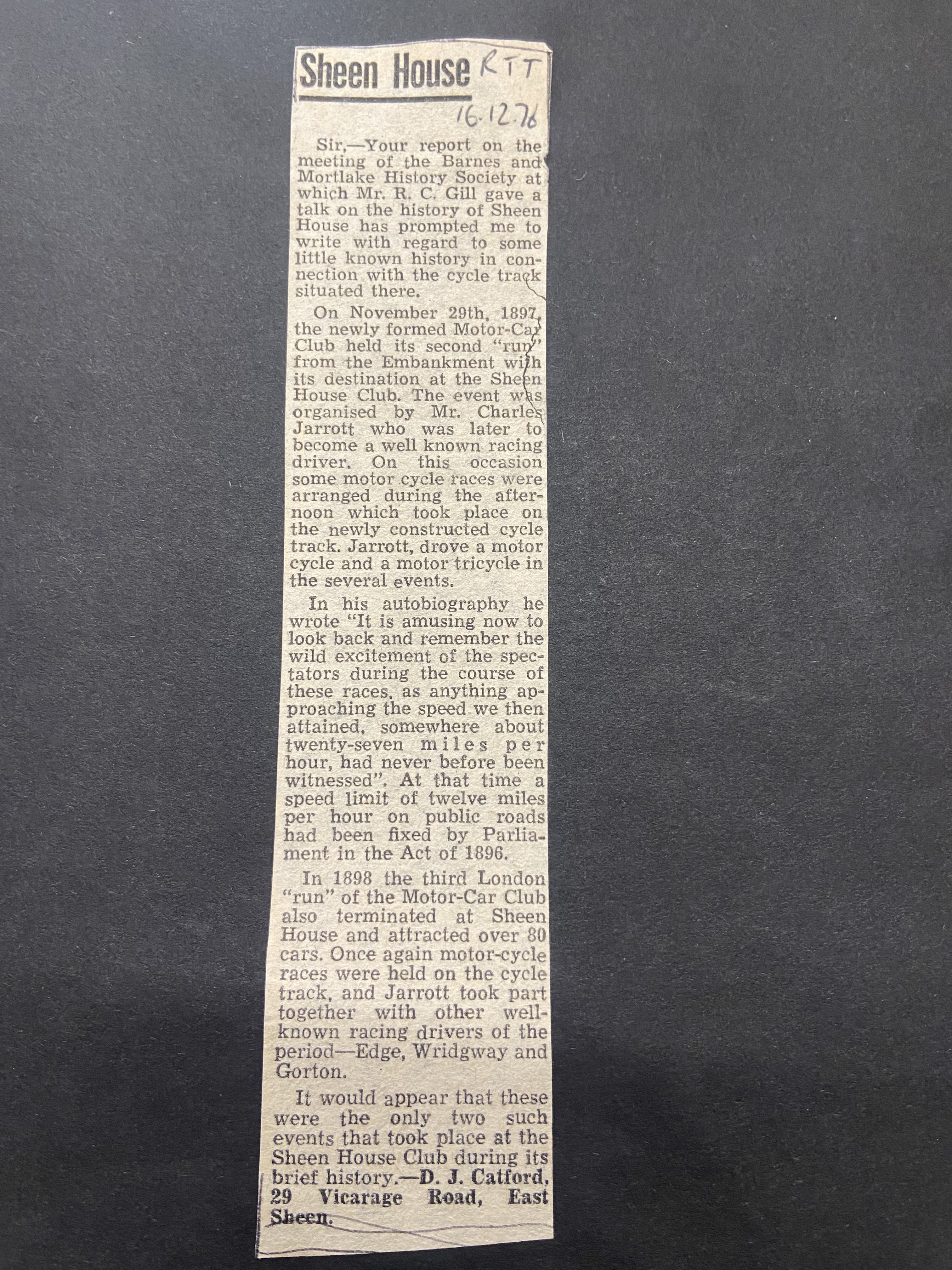
Local historian Raymond Gill talked in 1976 about Sheen House at a meeting of the Barnes and Mortlake History Society. That produced a response from a local resident, shown below, drawing attention to the cycle track and the Run.
For the first annual Commemoration Run in 1897 the Motor Car Club drove from Whitehall Place to the Sheen House Club, described as a distance of about eight miles. For the second Commemoration Run in 1898 the Club again drove to Sheen House. It was described as ‘a much larger and better organised affair than in 1897, [at which] some 280 members of the Club enjoyed a concert and a five course luncheon with fine wines’.
The fin de siecle history of the Sheen House Club may provide one explanation of why it became the destination of choice for the Motor Car Club. The Sheen House Cycling Club Ltd had been formed on 26 November 1896 and became the Sheen House Club the following year.
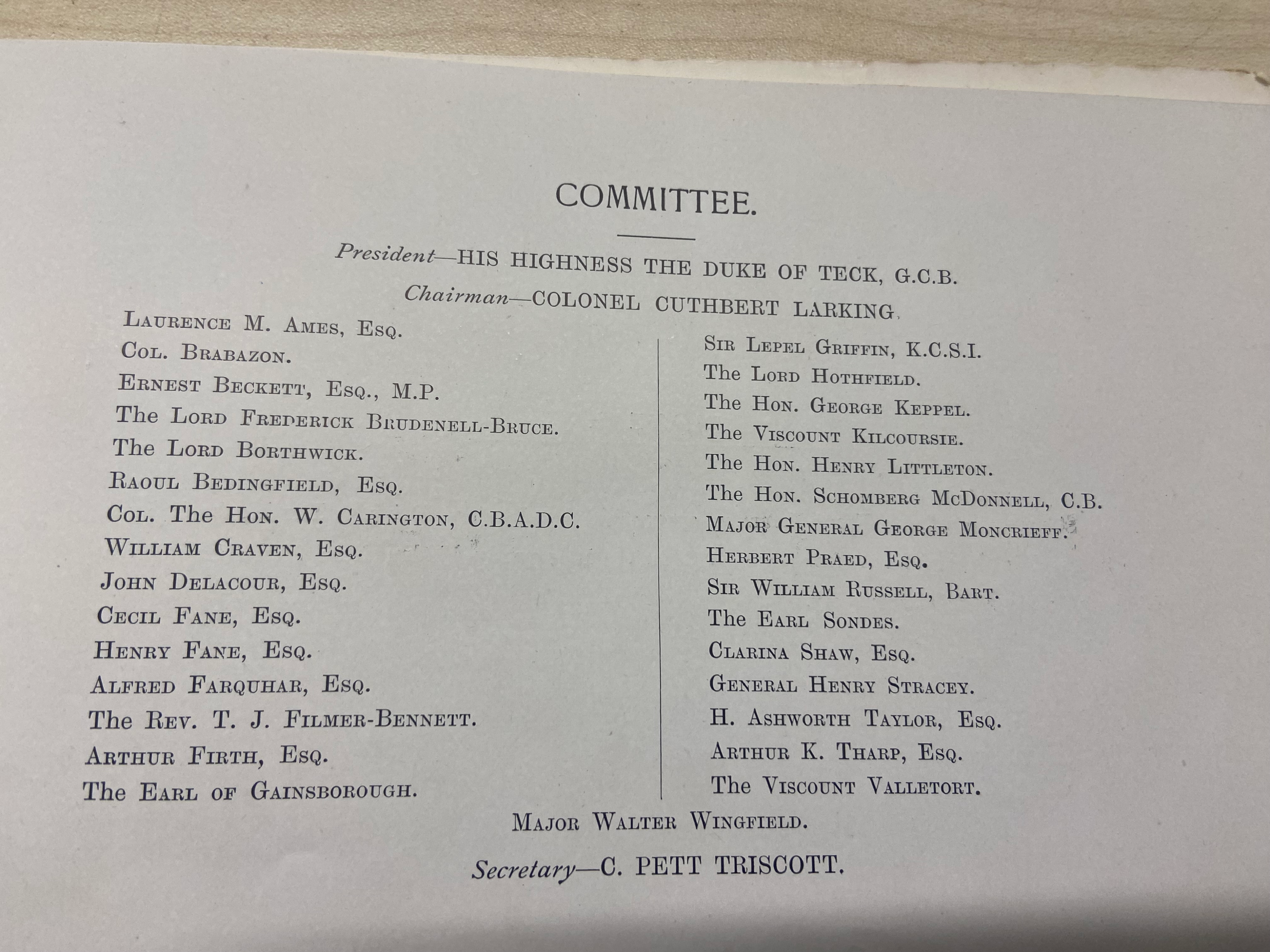
The Committee comprised the Great (and the Good?).
The prospectus for the Club reads :
“Ex-Queen Isabella of Spain was amongst those who honoured the House by her presence, and in this train came most of the principlal personages of the day……. The class of Members whose names appear on the list of the Sheen House Club, speaks eloquently for the care which has been taken in the Election of Members…….. thus creating a Social Club of high standing, united to one which gives encouragement to all branches of Amateur Athletics. “
It may be safe to assume that most of them had the new-fangled motor cars!
The Emancipation Run from London to Brighton in 1896 celebrated the recently passed Locomotives on Highways Act 1896 which liberalised motor vehicle laws in the United Kingdom exempting vehicles weighing less than 3 tons unladen from the restrictive Locomotive Acts of 1861, 1865, and 1878 and increased the speed limit to 20mph. Since 1865 the speed limit had been 4 mph in the country and 2 mph in the town, with a man required to walk 20 yards ahead of the vehicle.
The first race took place on 14th November 1896. The event started with breakfast at the Charing Cross Hotel, which included the symbolic tearing in two of a red flag. The organisers of the Emancipation Run had made much of their claim that the man who walked ahead had to carry a red flag. The 1865 Act required this, but the provision had been repealed by the 1878 Act.
The competitors gathered outside the Metropole Hotel (now the Corinthea Hotel London) with the cars accompanied by a “flying escort ” – estimated by one witness as ” probably 10, 000 “- of pedal cyclists, recreational cycling having become popular with the English in the final decades of the 19th century.
After the initial Emancipation Run, in during the next few years Commemoration Runs took place between Whitehall Place and Sheen House, covering a distance of about 8 miles.
The London to Brighton Run was not staged again until 1927. Since then it has run annually, except from the onset of the Second World War up to 1947 owing to petrol rationing and in 2020 due to the Covid- 19 pandemic. With all this considered, it is the World’s longest running motor event. Since 1930 the event has been controlled by the Royal Automobile Club.
How important was Sheen House in the early days of motoring in this country? Probably in two ways:
First by providing a venue for the finish which could accommodate the motor vehicles taking part and the ” flying escort” of pedal cyclists accompanying them,
Secondly, by hosting the subsequent Commemorative Runs in the years following the Emancipation Run the concept was kept alive which led to the revival of the London to Brighton Run in 1927 which continues to this day!
Thanks to Graham Kench, Mortlake Resident, for his research and contribution.
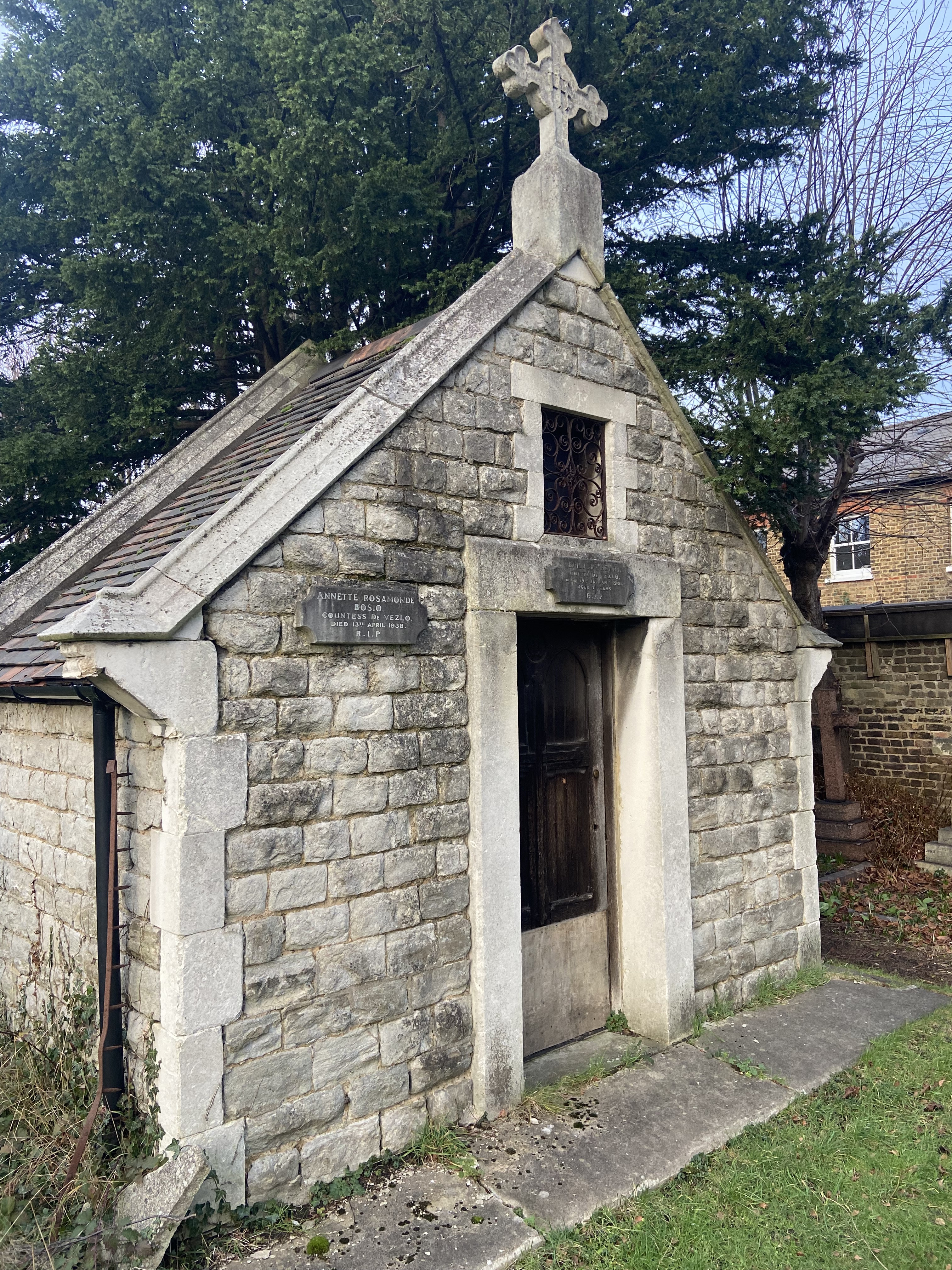
During discussions about the recent reopening of the Burton mausoleum at St. Mary Magdalen Church Mortlake, attention was drawn to a second but smaller mausoleum in the churchyard.
What follows was first published in EastSheenMatters in April 2025.
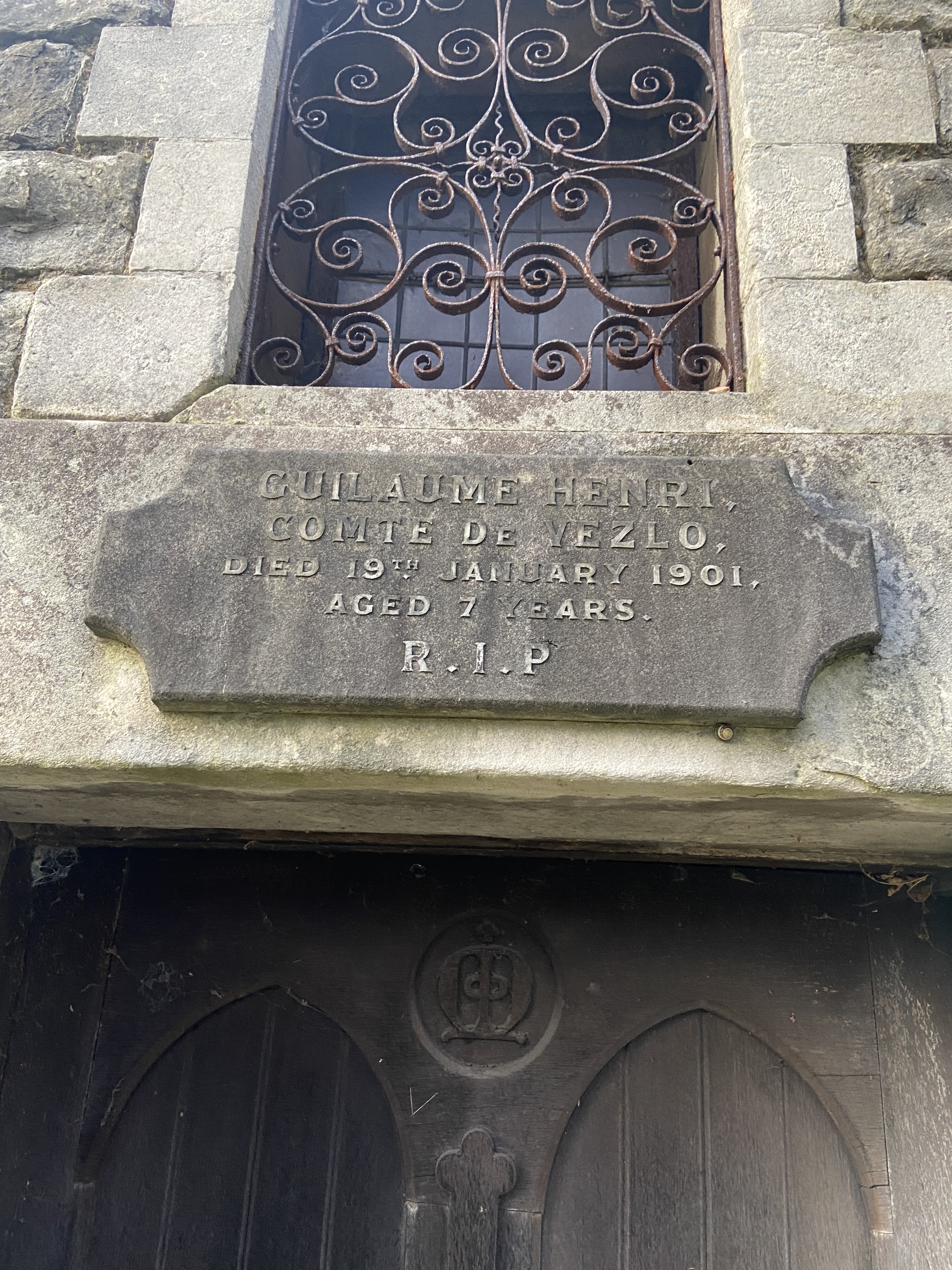
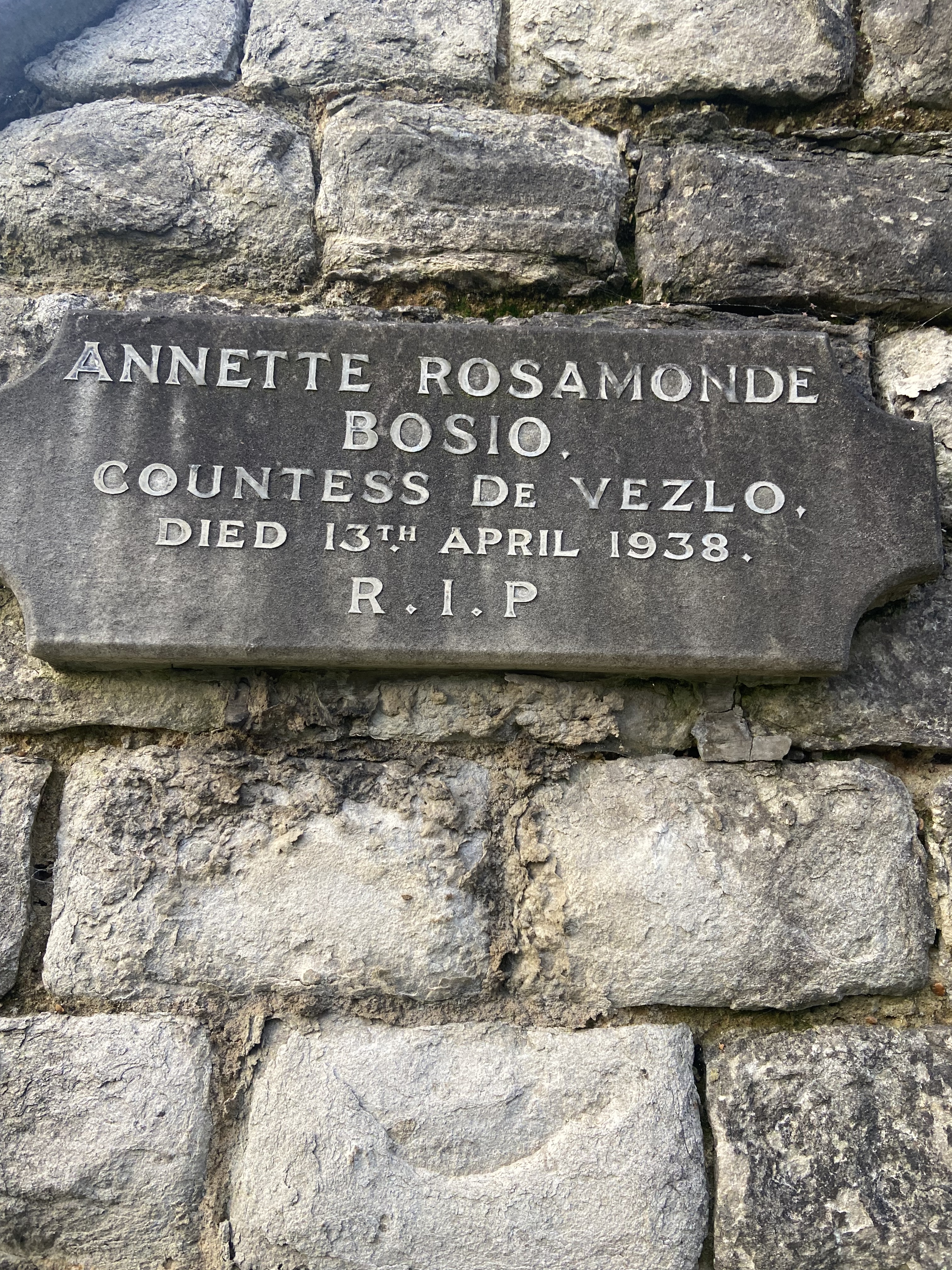
It was built to commemorate Guilaume Henri, Comte de Vezlo (1894-1901), who died aged seven. Beside his plaque is another referring to his mother the Comtesse de Vezlo (d.1938).
Very little is known about the family but Sheen and Mortlake did have French families living locally. Guilaume is said in one source to be the Pretender to the French Throne.
The splendid building does suggest that there was wealth available.
No birth certificate has been traced in England, so it can reasonably be assumed that Guilaume was born in France. During the 1890s there was an influx to London of French subjects.
After Guilaume’s death his mother spent long days in the Mausoleum. The Custodian Fr Adrian speaks of letters among the historical church documents, written by the Comtesse to the then parish priest, requesting that he celebrate Mass in the Mausoleum. She was not best pleased that he declined!
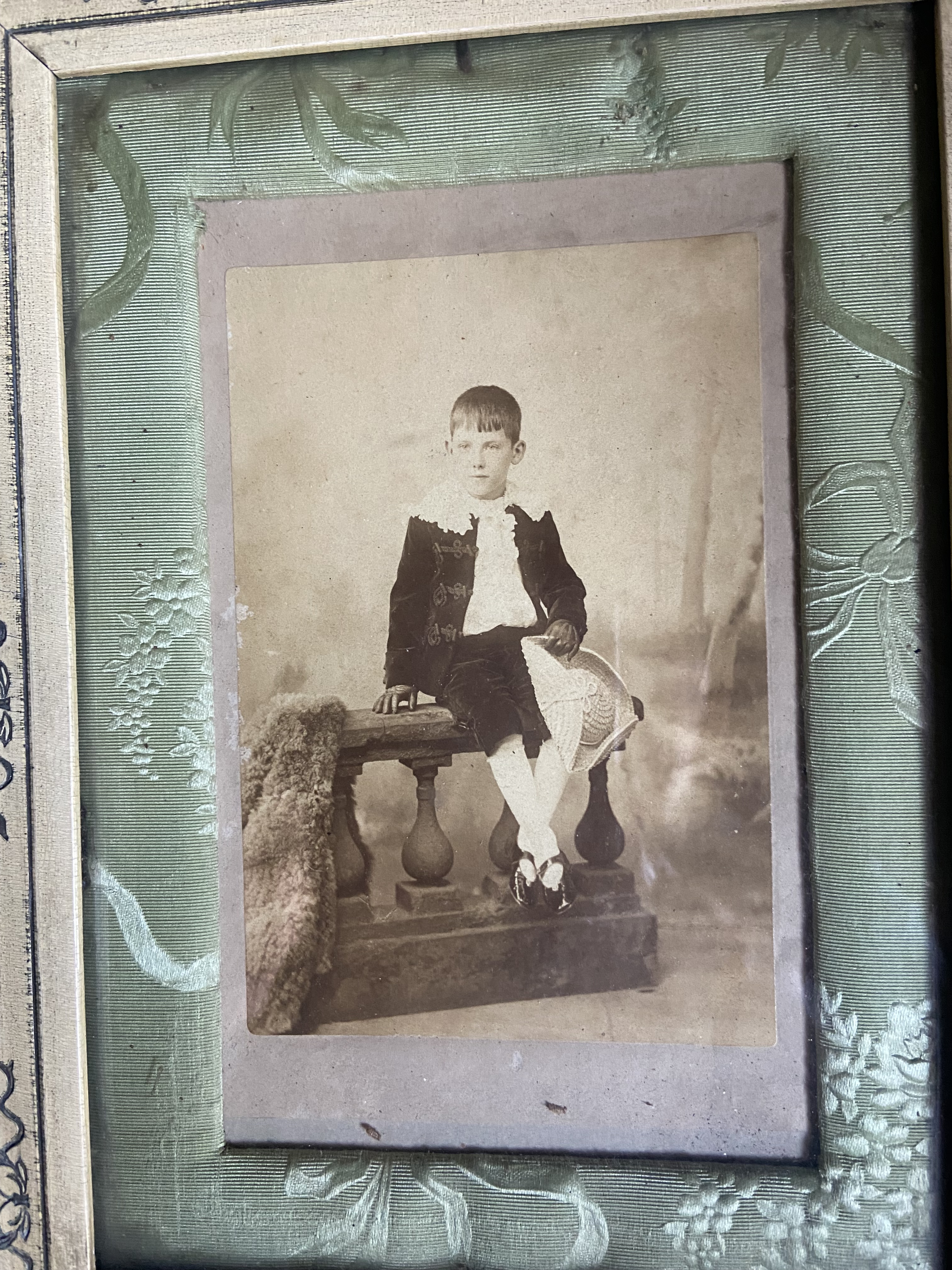
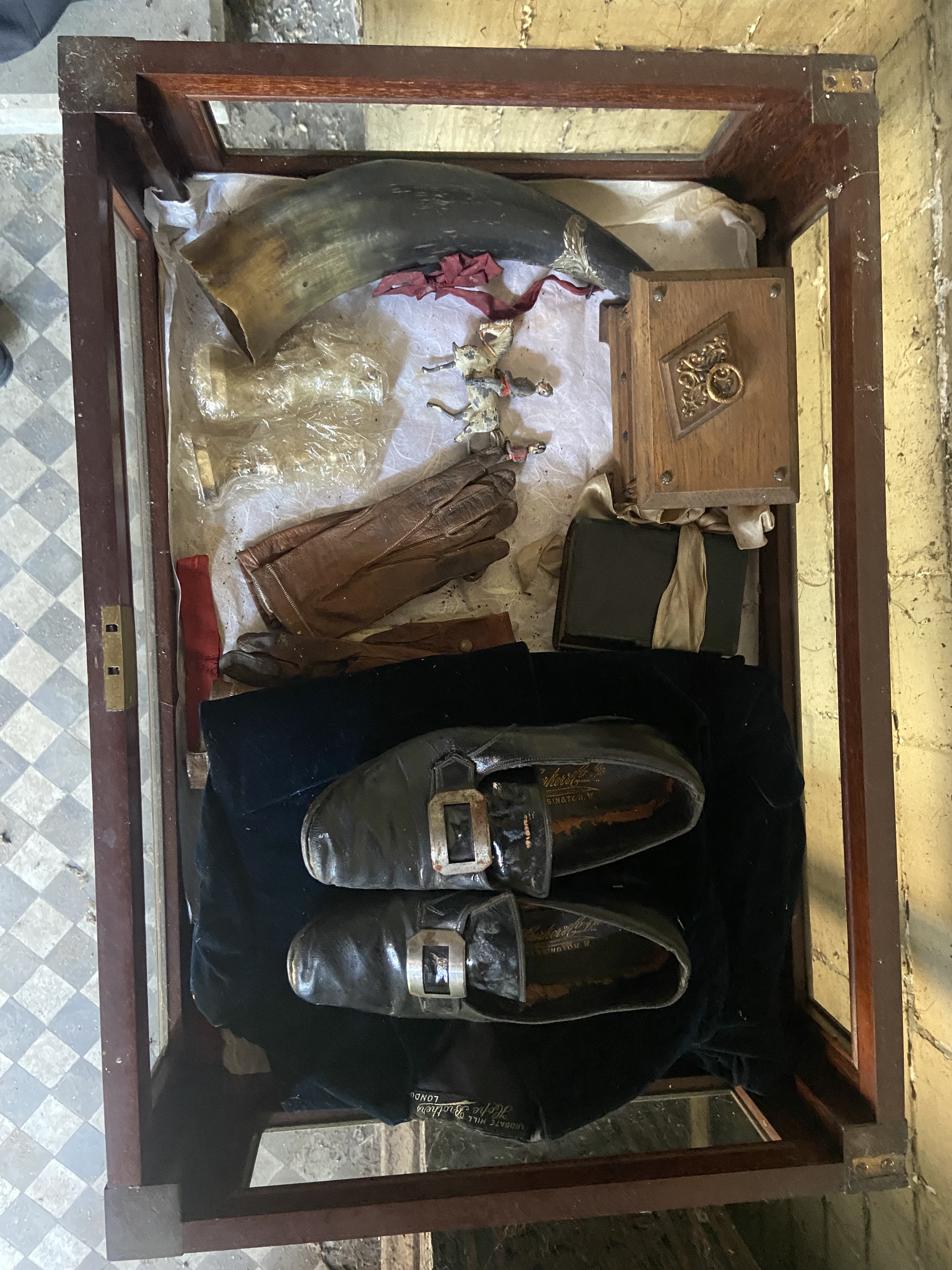
We were extremely fortunate to be granted access by the Custodian Fr Adrian. Nowhere on internet search engines will you find – until now – the photo of Guilaume below or his belongings lovingly maintained in the Mausoleum. The coffins remain in place.
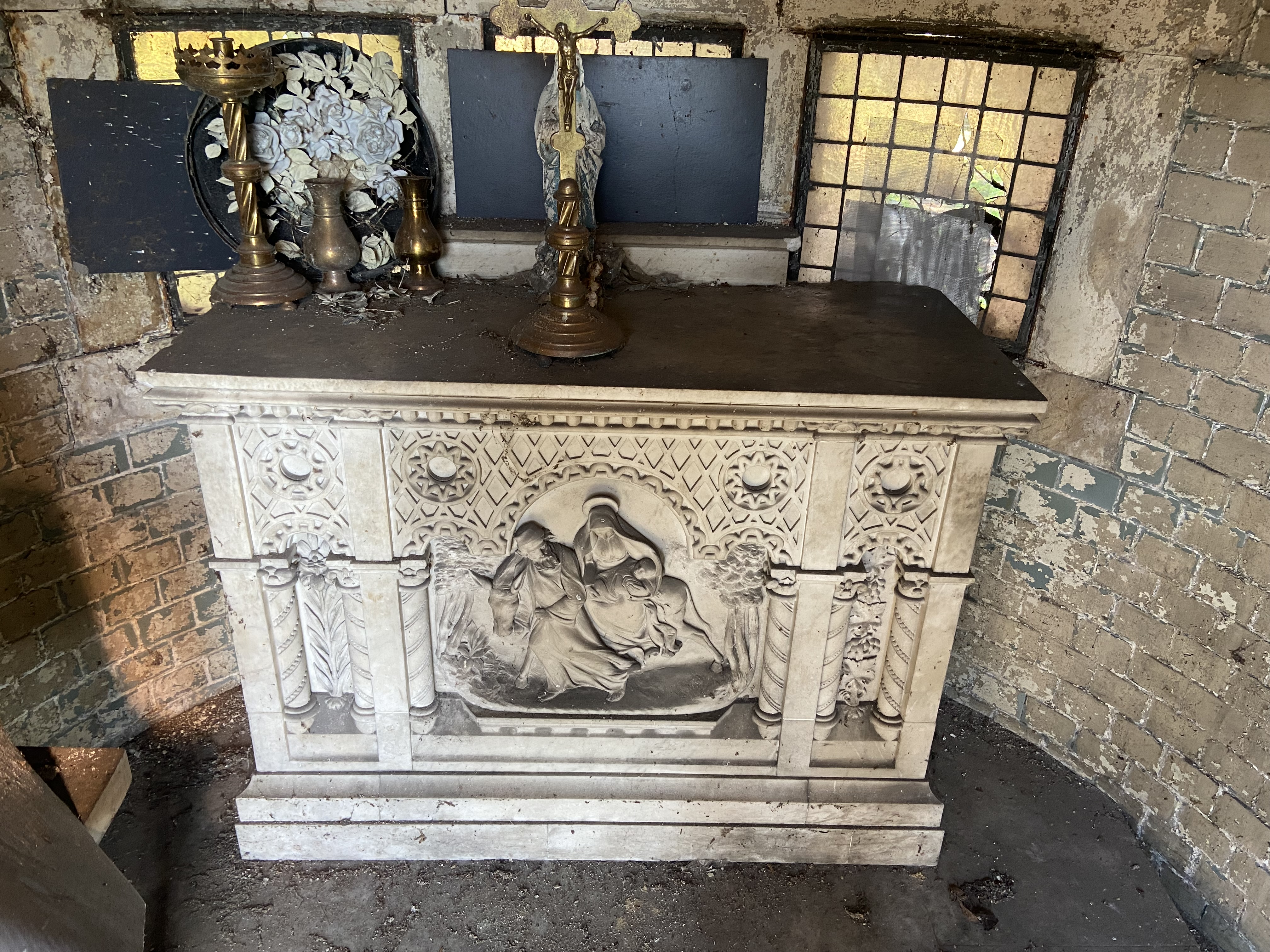
The beautiful altar depicts the flight of Mary and Joseph with the baby Jesus to Egypt. The then King Herod thought that the child would threaten his throne and sought to kill him. He initiated the Massacre of the Innocents in hopes of killing the child. Tradition has it that an angel appeared to Joseph in a dream and warned him to take Jesus and his mother into Egypt.
The structure needs full restoration. Another one for Habitats and Heritage?
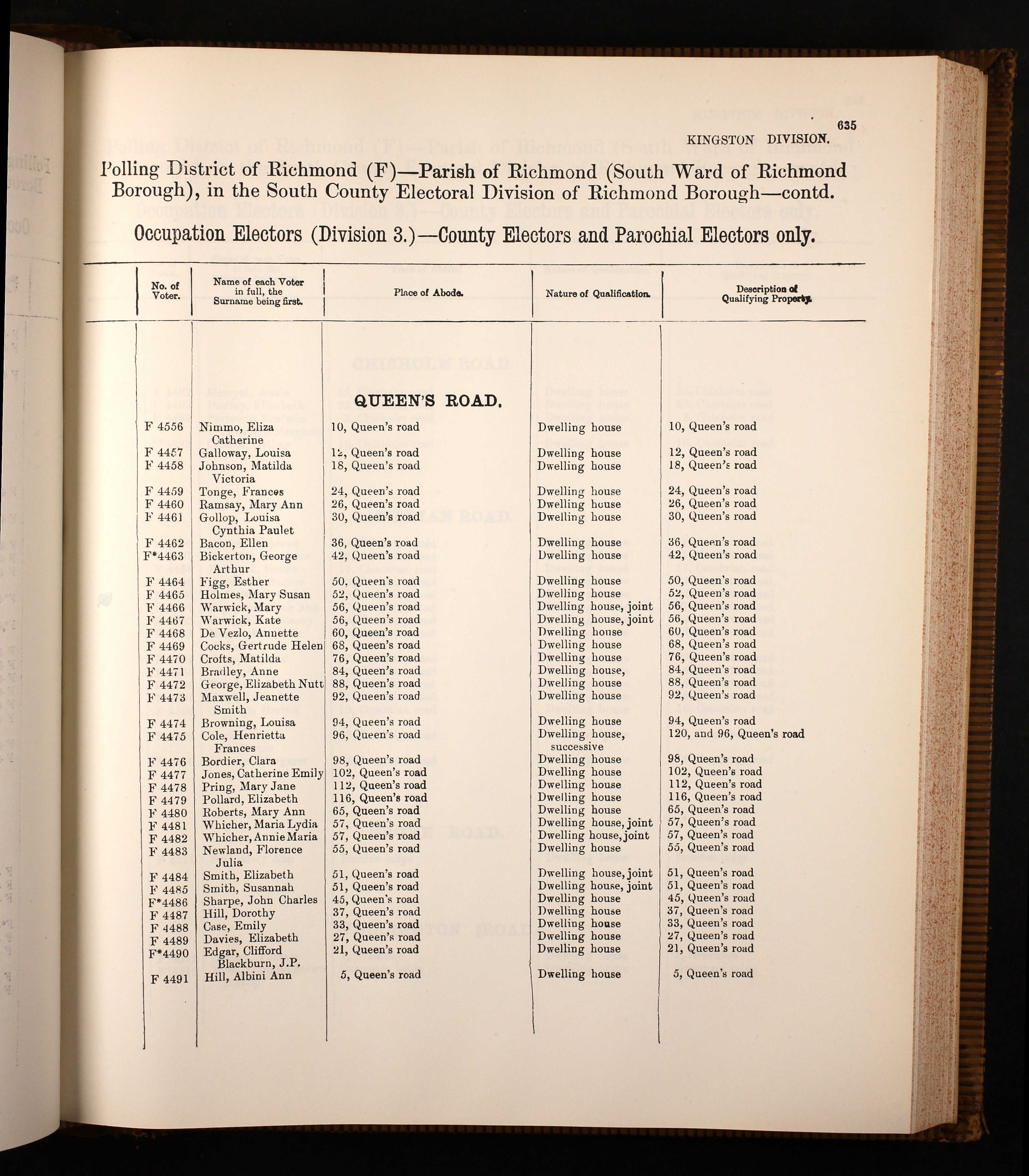
Note the residence of Annette De Vezlo, a French Subject aged 24, living on her own means at the Grand Hotel in Brighton at the time of the Census on 31 March 1901.
For over thirty years in the latter half of the nineteenth century, London was home to hundreds, and at times thousands, of French revolutionary, republican and socialist exiles. These refugees were drawn from across two generations and were associated with periods of intense political instability in France. During their time in London, they had a significant impact on the life of the city, transforming several of its neighbourhoods into essentially French enclaves, infused themselves into certain sectors of London’s economy, blended into particular social milieux, and greatly affected the shape and trajectory of political radicalism in the capital.
During the 1880s, little groups of exiled French ‘companions’ (the nickname adopted by the French anarchists) were formed in London. They became larger and far more active and influential in the first half of the 1890s, when the theory of ‘propaganda by the deed’ gained ground among anarchists. The concept of propaganda by the deed, developed from 1876–7 among the anarchists of the First International, justified acts of violence as a way of publicising anarchism and initiating the revolution. The main consequence of its propagation was a series of anarchist-inspired terrorist attacks which swept over the Western world throughout the 1890s and early 1900s, peaking in France between 1892 and 1894. The authorities of the Third Republic retaliated with a fierce repression, resulting in the arrest or silencing of most comrades. Hundreds of them were forced into exile,